What Female Fire Fighters Need to Know About Their Health Risks
Understanding the unique health considerations that come with the job
The fire service has come a long way in understanding the occupational health risks fire fighters face. One area where our understanding is still evolving is the unique health landscape for women in the fire service. This article is offered in that spirit: not to create concern, but to help female fire fighters—and their colleagues—make well-informed decisions. The risks are real, but so are the steps you can take to address them.
Cancer Risk: The Shared Burden and the Gender-Specific Layer
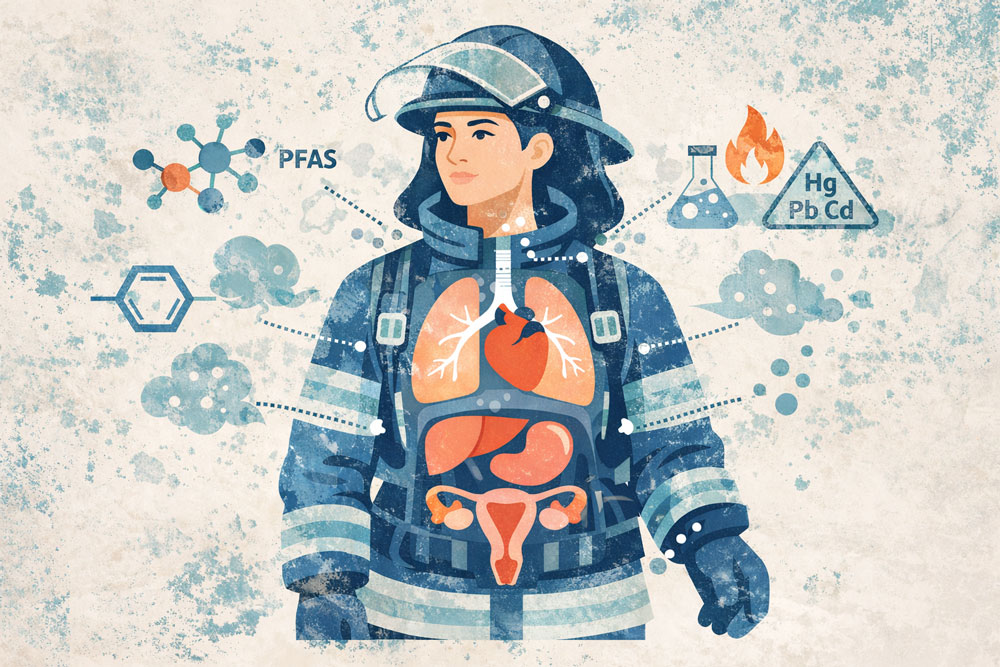
All fire fighters face an elevated risk of certain cancers due to occupational exposures—polycyclic aromatic hydrocarbons, benzene, formaldehyde, and other compounds present in smoke and on contaminated gear. For female fire fighters, these shared risks are compounded by reproductive biology. Research has identified elevated rates of breast, cervical, and uterine cancer among women in the fire service.
A 2024 study identified 12 chemical exposures common among fire fighters that are linked to breast cancer risk. Particular attention has been paid to PFAS—per- and polyfluoroalkyl substances found in fire fighting foam and, historically, in turnout gear—which can disrupt hormone signaling. A 2023 study linked one type of PFAS compound to uterine cancer. The good news: awareness has grown significantly, and improved decontamination practices, gear laundering protocols, and updated equipment standards are making a real difference.
Reproductive Health: What the Research Tells Us
Research on reproductive health outcomes among female fire fighters has produced findings worth noting. Miscarriage rates run at least 2.3 times the national average—rising from about 22% in a first pregnancy to over 30% by a third or fourth. Women fire fighters also show, on average, 33% lower levels of anti-Müllerian hormone (AMH), a key marker of ovarian reserve and fertility.
Exposure to heavy metals, hydrocarbons, carbon monoxide, heat, and shift work all play a role. From the second trimester onward, as the fetus moves into an intra-abdominal position, the risks from trauma and chemical exposure increase. Early conversations with your healthcare provider—ideally before you’re thinking about starting a family—make a meaningful difference.
Worth noting: Reproductive health research extends to male firefighters as well. Effects on birth outcomes have been documented in children of both male and female fire fighters, making this a whole-firehouse concern.
Mental Health: A Health Issue Like Any Other
Female fire fighters experience higher rates of depression, anxiety, and PTSD than their male counterparts, and research points to workplace discrimination and harassment as significant contributors. The numbers are striking: women who report frequent harassment have depression rates nearly three times higher, PTSD rates more than five times higher, and are over three times as likely to have suffered a workplace injury in the past year as those who report none.
The link between psychological stress and physical health is well established—chronic stress affects immune function, hormonal balance, and long-term cardiovascular health. Caring for your mental health is not separate from caring for your physical health; they are part of the same picture.
Protective Equipment: Getting the Fit Right
Fire fighting gear has historically been designed around male body proportions. Ill-fitting PPE is a documented additional risk factor for injury among women in the fire service—and it matters in a subtler way, too: gaps at the wrist, neck, or torso compromise the barrier between you and toxic compounds in the fireground environment. If your gear doesn’t fit, requesting properly fitted equipment is not a minor preference. It is a health and safety issue, and one that the department is equipped to address.
Practical Steps You Can Take Now
The most important thing you can do is stay proactive. Here are concrete starting points:
- Schedule your AFFME. The Station 2 Clinic understands your specific exposures and can help you build a screening plan tailored to your history. You can then share your plan with your primary care provider.
- Stay current on cancer screenings. Ask specifically about breast, cervical, and thyroid screenings and discuss your occupational exposure history with your primary care provider. Earlier detection consistently leads to better outcomes.
- Decontaminate consistently. Shower and change immediately after fire exposure, and launder your gear regularly. Small, consistent habits over a career add up to meaningful protection.
- Talk to your primary care provider before and during pregnancy. If you’re planning a family or are pregnant, an early conversation with an occupational health provider can help you navigate duty modifications and exposure risks at each stage. Consult NFPA 1582, Chapter 9 and Annex C for specific guidance on pregnancy and breastfeeding in the fire service.
- Take care of your mental health. Peer support programs, counseling, and employee assistance resources are available and effective. Reaching out is a sign of professional self-awareness, not weakness.
The science on female fire fighters’ health is still evolving, but what we know today is more than enough to act on. Your career is long. Your health deserves the same attention you give to everything else on this job.
A Note to Our Male Fire Fighters
The health and wellbeing of women in the fire service isn’t a women’s issue in isolation—it’s a service-wide issue. A crew member working in gear that doesn’t fit, managing unaddressed health concerns, or carrying additional psychological burden can’t perform at full strength. As noted above, reproductive health findings extend to male firefighters as well. Looking out for the people next to you has always been the core of this job. That doesn’t change here.
Information on Family Medical Leave, Pregnancy Disability Leave, and Leave of Absence