
Why Even Fit Fire Fighters Can Have Heart Attacks
As a fire fighter, you train for work that demands a lot from your body. You carry heavy equipment, climb stairs, operate in high heat, and respond under intense pressure. If you’re active and feel strong, it’s natural to assume your heart is in good shape.
Fitness matters enormously. A higher VO2 max is strongly linked to longer life, and high-intensity training builds the capacity to meet extreme demands. But fitness and cardiovascular health are not the same. As Dr. Marcie Hamrick of Station 2 Clinic explains, “…fitness improves survival, but it does not fully prevent the disease of plaque buildup: someone can be operationally fit but metabolically unhealthy, and that’s the gap that we’re missing.”
Heart Disease Is Not Always a Slowly Clogging Pipe
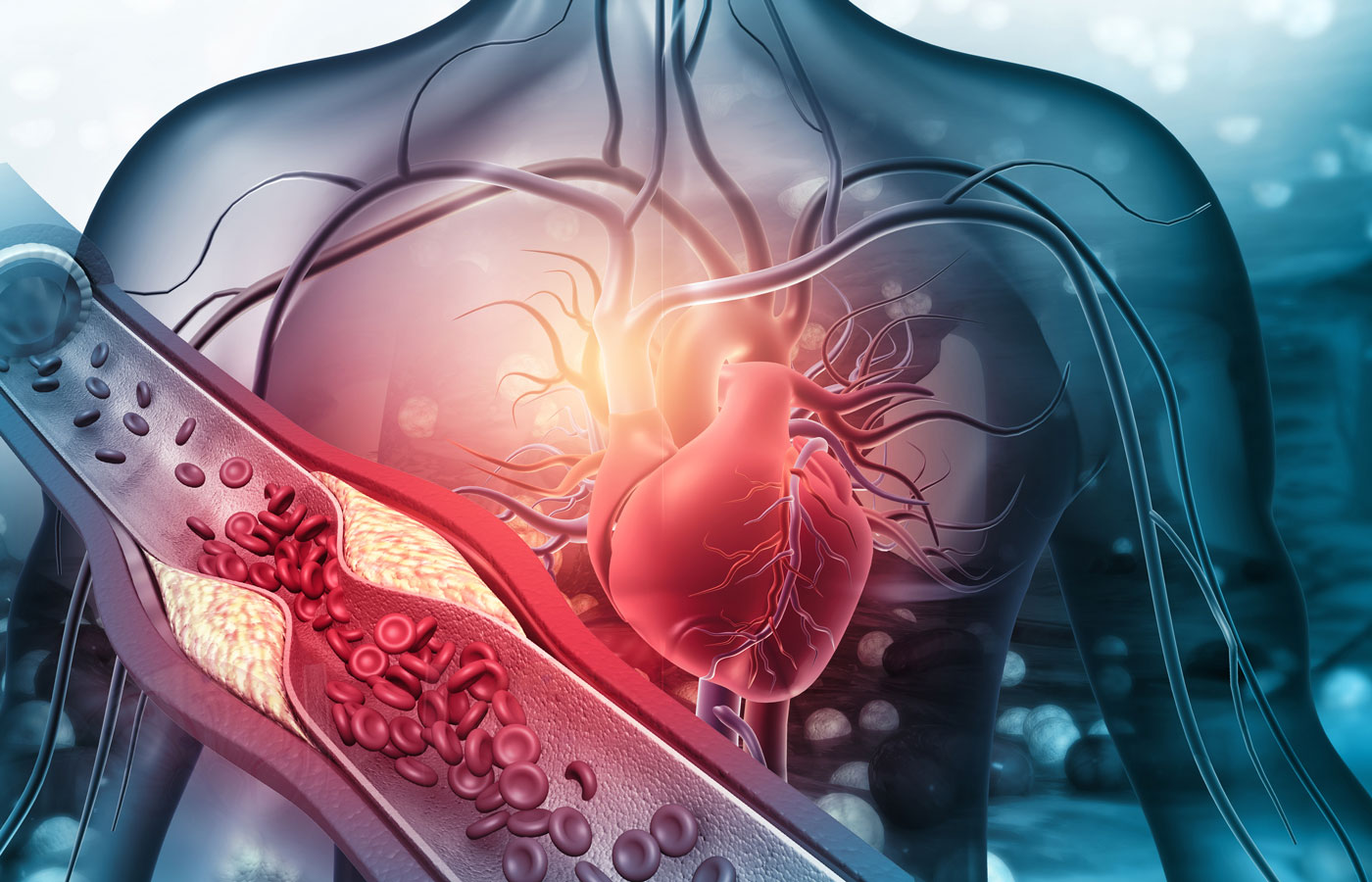
Many of us picture heart disease as a large blockage that gradually narrows an artery until blood can no longer pass through. The reality is more complicated. According to Dr. Hamrick, 70 to 80 percent of cardiac events arise from smaller plaques rather than from the largest blockages.
A small plaque buildup may not cause warning signs. You may exercise hard, feel fine, and show no obvious decline in performance. Yet when inflammation is present, that plaque can become unstable and trigger a cardiac event. Cholesterol remains an important predictor of risk, but it is not the whole story. Inflammation makes artery walls “sticky,” allowing cholesterol to accumulate and plaques to form.
Inflammation is now understood to be the key driver of heart disease. We used to think it was cholesterol. We thought that cholesterol circulating in the bloodstream and accumulating on the walls of the arteries led to heart attacks and strokes. But what we’re increasingly understanding is that it’s actually the presence of inflammation that makes the walls of the arteries sticky and attracts cholesterol to the walls of the vessels, causing plaques to form. Although cholesterol is certainly predictive of risk, it’s really the underlying inflammation that’s at the root of the disease itself.
—Dr. Marcie Hamrick
That matters in the fire service because several unavoidable aspects of the job can promote inflammation: disrupted sleep, repeated stress and adrenaline surges, and exposure to smoke, particulates, and toxins. Poor nutrition, tobacco use, excess alcohol use, elevated cholesterol, insulin resistance, high blood pressure, inactivity on your days off, and visceral fat (the fat stored around the abdominal organs) can add to the underlying burden. An acute demand, such as the bell ringing at night, then lands on top of that chronic condition.
This does not mean every exposure or missed night of sleep will cause heart disease. It means that small, repeatable choices that support recovery can matter, especially over a long career. When circumstances allow, prioritize fresh and minimally processed foods, stress management, consistent sleep routines, and the exposure-control practices already built into the job.
Look Beyond What the Mirror or a Workout Says
Metabolic health reflects how well your body manages energy, including blood sugar, cholesterol, and fat storage. Trouble may manifest as insulin resistance, prediabetes, elevated triglycerides, low HDL (“good”) cholesterol, high blood pressure, or increased visceral fat—even in someone who looks lean and performs well.
Your annual physical is a chance to uncover what fitness alone cannot reveal. Pay attention to blood pressure, cholesterol, blood sugar, and hemoglobin A1c, which screens for diabetes risk. At the Station 2 Clinic, the InBody body-composition machine can also provide a visceral-fat score. Just as important, talk honestly with your provider about sleep quality, stress, nutrition, and exposure reduction. Looking at these factors together provides a fuller picture of heart health.
Ask your clinician to interpret the numbers together and over time. A result can be technically normal, yet a trend still warrants attention, context, or a practical plan.
The Benefits of Zone 2 Training
Fire fighters are understandably drawn to intense training. High-intensity workouts improve performance and VO2 max, and strength training supports the job’s physical demands. Neither should be eliminated. The heart-healthy move is to add a steady aerobic foundation.
Zone 2 exercise is moderate-intensity movement at roughly 60 to 70 percent of maximum heart rate. For many people, that may be around 90 to 120 beats per minute, but the simplest guide is the talk test: you should still be able to speak in complete sentences. Brisk walking, easy cycling, or other steady movement can qualify.
This pace trains the mitochondria—your cells’ energy engines—to use fat more efficiently. Done regularly, it can improve insulin sensitivity, blood pressure, cholesterol, and triglycerides. Dr. Hamrick suggests aiming for 150-300 minutes a week (30-60 minutes on most days of the week). Time can accumulate in smaller increments. A five-minute walk here and a ten-minute walk there still count, especially when they break up long periods of sitting.
A balanced week might include moderate work as the base, two higher-intensity sessions to support job performance, and one or two strength sessions. The exact mix can be tailored to your schedule, health, and recovery needs.
Start With One Useful Step
You don’t need to overhaul everything at once. Add a walk, choose more minimally processed foods, protect your sleep when you can, and keep up with your annual physical. At your next visit, ask about trends in your blood pressure, cholesterol, triglycerides, blood sugar, A1c, and visceral fat—not just whether each result falls within a standard range.
Being fit is a powerful advantage. Pairing that fitness with metabolic screening, inflammation awareness, recovery, and consistent moderate movement gives your heart broader protection throughout your career and beyond.
Want to learn more about maintaining a healthy heart and Zone 2 training? Listen to our podcast, Why Even Fit Fire Fighters Can Have Heart Attacks. This article on aerobic training and nutrition is also worth checking out!