What Stays With You: Microplastics, Decon, and the Exposures We Don’t Think About
For today’s fire fighters, decontamination is no longer an afterthought.
Over the past two decades, the fire service has undergone a significant shift in how it manages exposure to contaminants. Practices such as gross decon on scene, bagging contaminated gear, keeping turnout gear out of living spaces, and showering after a fire have become standard because we understand an important reality: exposure doesn’t end when the flames are out and you leave the scene.
In a recent episode of our podcast Listen Up L27, Station 2 Clinic physician Dr. Ariel Ehrlich and retired Seattle fire fighter Terry Taylor explored another side of that conversation—not the exposures encountered on the fireground, but those in the environments we often consider safe.
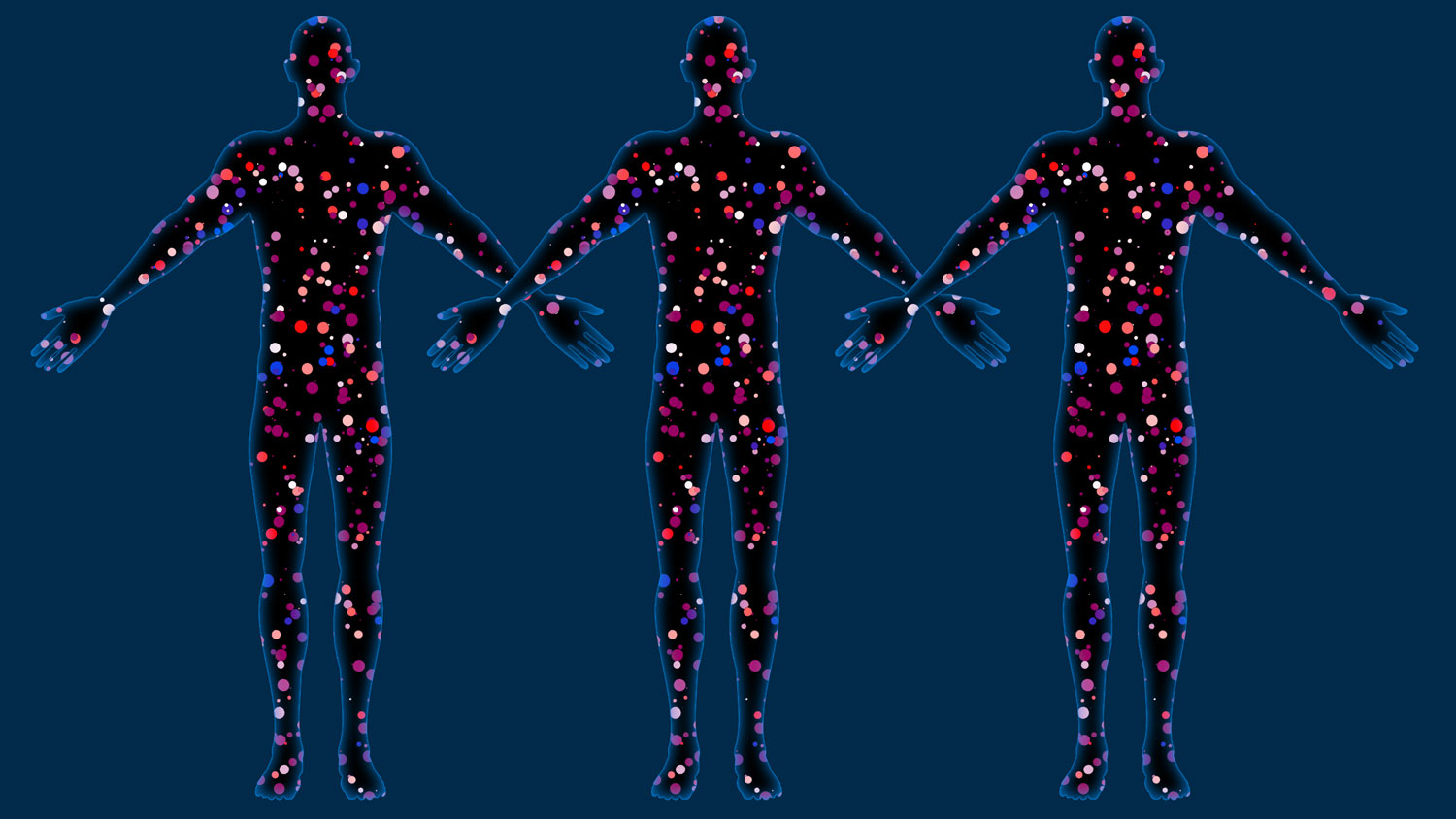
Microplastics, plasticizers, parabens, PFAS (human-made “forever chemicals”), bisphenols, and other industrial compounds are increasingly found in food, water, packaging, textiles, and household products. Scientists and medical professionals continue to study how these substances affect long-term health, but for fire fighters, the question is: If we’re already taking extraordinary steps to reduce occupational exposure, should we also pay attention to exposures that occur every day outside of emergency response? The answer is yes. Not because these exposures are equivalent to those encountered at a fire scene, but because they contribute to your cumulative risk over a lifetime.
Risk Reduction
As fire fighters, one of our strengths is thinking in terms of risk reduction rather than risk elimination. We wear SCBAs, decontaminate gear, and follow safety procedures because these actions reduce risk. The same logic applies outside the station. To help keep you and your family safer, consider the following options:
- Carry a reusable metal or glass water bottle instead of a disposable plastic one.
- Use glass or metal food containers instead of heating or freezing food in plastic containers.
- Replace cookware containing forever chemicals (such as Teflon nonstick pans and plastic cooking tools) with safer cast iron, glass, or stainless steel pots and pans.
- When possible, replace potentially harmful household products (moisturizers, detergents in dissolvable plastic pods, stain-resistant furniture, carpets, and clothing) with safer alternatives. Look for labels such as “PFAS-free,” “BPA-free,” “paraben-free,” and “plastic-free” on products from brands like Blueland and Dirty Labs. Natural fibers such as cotton, wool, linen, and hemp are less likely than synthetics to cause microplastic accumulation in the body.
None of these decisions are dramatic on their own, but over years and decades they become part of a broader strategy to safeguard long-term health.
The conversation also references the Netflix documentary The Plastic Detox, which explores emerging research on microplastics and chemical exposure. What makes the film interesting isn’t that it provides all the answers—it doesn’t. Instead, it highlights how relatively small changes in daily habits may reduce overall chemical exposure and explains why researchers are paying closer attention to the issue.
Perhaps the most important takeaway from this article is that fire fighters have already built a culture of contamination awareness. We understand the importance of minimizing unnecessary exposures and protecting our crews and families. The next step is to broaden that perspective. The goal isn’t perfection. It’s vigilance. And that’s something every fire fighter already understands.
Listen to the full conversation with Dr. Ariel Ehrlich and Terry Taylor in this episode of Listen Up L27.